PITTSBURGH — “‘Little to no change’: Central Appalachia black lung disease hits 50-year high,” was a headline in an article here in response to a sobering report on the continuing increase in deadly black lung in miners published by scientists at the National Institute for Occupational Safety and Health in early August. “What is certain,” the report states, “is that the prevalence of pneumoconiosis among coal workers has reached its highest level in the past 35 years.”
The worst rates are in Central Appalachia, where the black lung rate today “among long-tenured, working miners in the central Appalachian states of Kentucky, Virginia and West Virginia is approximately 32.5%, nearly tenfold higher than in the remainder of the country.”
“The new estimated rate for the central Appalachian underground miners is more than a fourfold increase since the prevalence of the disease hit a low point: just 7%, in 1999,” the Kentucky Lantern reported.
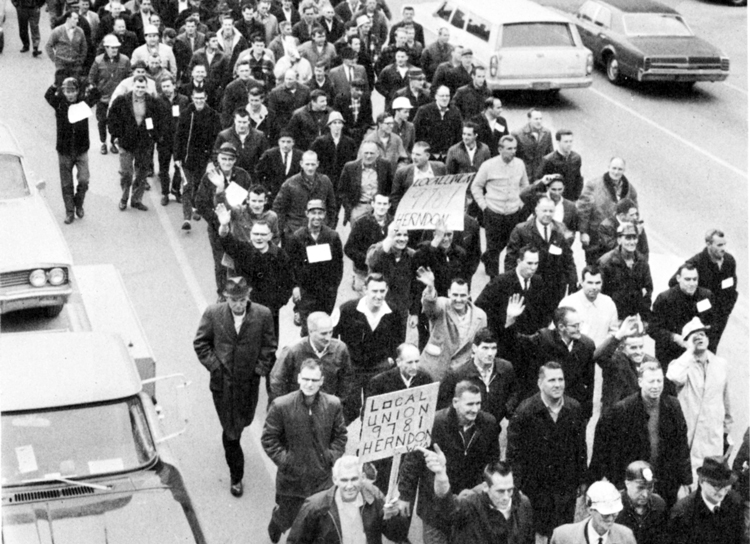
The levels of black lung had been largely beaten back by mighty battles waged by coal miners in the 1960s and ’70s. United Mine Workers of America members organized, fought the bosses and transformed their union, using it to win control over safety in the mines, including the power to shut down production when they determined conditions were dangerous.
They also won the establishment of black lung clinics across the coalfields, benefits for affected miners, and federal regulations on mine ventilation and coal dust levels. But over decades, profit-driven bosses have driven the union back, meaning black lung is on the rise again.
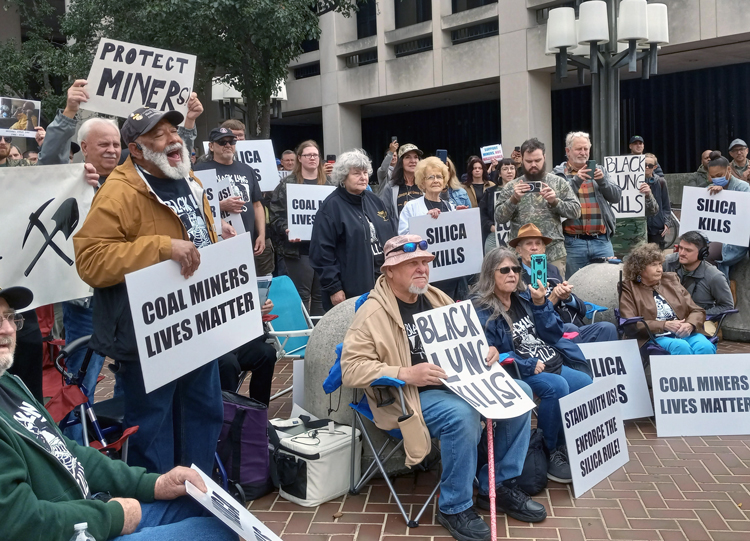
In response to the NIOSH report, the UMWA demanded implementation and enforcement of a new federal silica-dust rule first issued in 2024, which mandated halving the level of permissible dust. But it has been derailed by bosses’ court challenges and government inaction.
“Every day federal regulators drag their feet and sit on this rule,” Brian Sanson, UMWA president, told the press Aug. 13, “another working father, mother, husband, wife, sister or brother contracts an incurable, fatal disease. Someone’s life is forever changed.”
The National Mining Association and other boss outfits have challenged the new silica rule, calling it “arbitrary and capricious.”
An association spokesperson told the New York Times, “work conditions had improved over the last decade but that the benefits had yet to be reflected in the disease data,” claiming “a 2014 rule that lowered the acceptable amount of airborne dust had reduced dust levels.”
Explosion in black lung cases
But over a decade out from the rule’s implementation, Dr. Scott Laney of the National Institute for Occupational Safety and Health said he “had been seeing more black lung, not less.” The group’s scientists reported, “Substantial evidence indicates that exposure to the respirable crystalline silica component of coal mine dust plays an important role in contemporary disease patterns, particularly in central Appalachia,” concluding, “inhalation of coal mine dust is the sole cause of coal workers’ pneumoconiosis.”
The UMWA press release said the heart of the crisis is “in central Appalachia’s nonunion mines. Miners there are forced to cut through razor-thin coal seams locked in rock using massive, high-powered machinery. And without union backing, speaking up about toxic air or broken dust controls usually means risking your job.”
Leaders of the National Black Lung Association and black lung clinic staff also responded to the report. “People that have been involved in it so long like myself are just kind of getting frustrated,” said Dr. Brandon Crum, a pulmonologist in eastern Kentucky. “We’re a decade out and we’ve shown just how bad the problem is and how severe it is, with little to no change in anything that would hopefully help our miners.”
“That’s why we worked so hard to get the silica rule passed, and we did, because we knew this was going to start happening,” Vonda Robinson, vice president of the National Black Lung Association, told the Militant.
Robinson and her husband, John, a retired miner with black lung, are featured in a Fault Lines documentary entitled “Black Lung Rising,” and also in a photo documentary, “Living for Coal, Dying for Breath,” put out by the Virginia Center for Investigative Journalism. This documentary is available on YouTube.
In March, Robinson, members of Black Lung Association chapters in Virginia and Dr. Crum joined forces with UMWA leaders, including President Sanson, Secretary-Treasurer Mike Phillippi and Safety Director Josh Roberts, in a meeting with Virginia Sen. Mark Warner at the union’s regional office in Castlewood.
“I visited a coal mine and handed out my cards,” Robinson told the meeting. “I asked them, ‘Have you been checked?’ And the first thing they said was, ‘No, I’m scared. I’m afraid I’ll lose my job.’”
She said politicians in Washington today are saying, “‘Dig, baby, dig.’ OK — then let’s make our miners healthy again. Let’s make them safe again. I’m telling you, these miners need to be protected.”
Gary Hairston, president of the Black Lung Association, told the Militant the rise of black lung is because the coal operators “are cutting more rock, more silica,” as they pursue smaller coal seams. “And almost everything is nonunion now.”
“All coal bosses want to do is run coal, fastest way they can,” Hairston said, and they “want workers to wear dust masks, instead of protecting them from the dust.” The UMWA also opposes bosses’ push to substitute personal respirators for necessary mine ventilation controls.
Support of these fights will be on the agenda at the National Black Lung Association annual meeting Sept. 11. Last year’s meeting organized a successful rally a week later at the Department of Labor in Washington with the UMWA and others demanding the new silica dust limits be implemented.