Cuba tells UN: ‘US blockade punishes life of our people’
“The long months living with only two or three hours of electricity a day or less, food spoiling, the heat that makes it impossible to sleep, parents fanning their babies, children doing their homework in near darkness, young people without internet access or recreation, grandparents without television or, sometimes, even radio — all family life is damaged.” That’s how Cuban Foreign Minister Bruno Rodríguez described the impact of Washington’s recently intensified blockade on the daily life of millions of Cubans at a press conference in Havana Sept. 7.
He presented a report that documents the extent of the blockade’s damage to Cuba between March 2025 and February 2026. The report will be discussed alongside a resolution — “Necessity of ending the economic, commercial and financial embargo imposed by the United States of America against Cuba” — prepared for a meeting of the U.N. General Assembly Oct. 27-28.
Rodríguez said the embargo cost the country $8.1 billion in 2025, a number that will go up sharply in 2026 because of the oil blockade and other sanctions imposed by Washington.
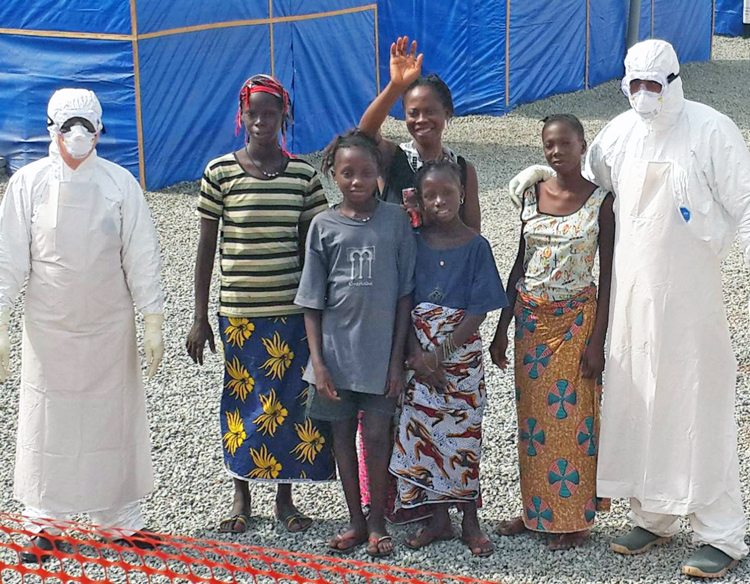
“The blockade doesn’t punish a government,” he said. “It punishes the daily life of a people in every aspect.” Rodríguez described the heavy impact it has had on Cuba’s healthcare system, pointing to the rise in infant mortality from 4 per 1,000 births in 2018 to 9.9 in 2025, as equipment such as incubators stop working when generators fail. “These are children, not numbers. These are deaths that should not have happened,” he said, but did happen because “Cuba and its robust and effective public health system were deprived of legitimate resources.”
Of the 395 basic medicines normally distributed through Cuba’s health system, 300 are unavailable due to lack of access to the raw materials and other components needed to produce them.
The U.S. Embassy in Havana cynically issued a “health alert” for Cuba Sept. 4, warning of a spike in intestinal illnesses and diarrhea associated with failing water and electricity infrastructure. (See accompanying article).
Despite so much damage, more than 1.5 million students started the new school year Sept. 1. Each year this is a national celebration that has been a tradition for Cuban people since the beginning of the Cuban Revolution in 1959.
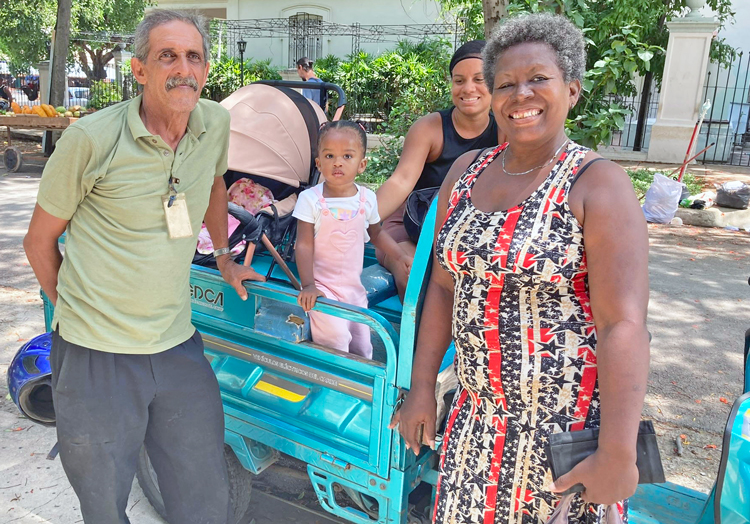
This year, the Cuban people and government were determined to open classrooms despite big challenges, including the scarcity of notebooks, school uniforms and ability to provide school meals. “Children, teenagers, and teachers walk long distances to get to school,” Rodríguez said. “We have acquired and assembled electric vehicles” to offer some transportation.
“Even under the extreme conditions facing our economy,” he added, the annual funding for education of children and young people with special needs continues. “For a family, this funding means opportunities. Their future is more than just a number on a balance sheet.”
Across the island, Cubans are finding ways to push ahead even as the crisis deepens. Along with efforts to maintain as much industrial and agricultural production as possible, there are also many initiatives across the country to keep social and cultural activities going. Lázaro Alfonso Oviedo, 90, told Reuters he attends weekly gatherings to help raise the spirits of elderly people. He said he dances and sings “to forget for a little while the suffering the empire puts us through.”
“We’re not going to give up,” he said, pointing to Cubans’ unwavering resilience. “We get it precisely from the spirit forged by the revolution itself — a revolution spanning more than 60 years.”
In 1959, led by Fidel Castro, workers and farmers overthrew the U.S.-backed dictatorship of Fulgencio Batista and opened a socialist revolution that overturned capitalist exploitation and oppression. For more than six decades, U.S. administrations, Democratic and Republican alike, have sought to overthrow Cuba’s revolutionary government and restore U.S. imperialist domination of the island.
International blockade
Washington, while weakened but still the most powerful imperialist state, is using its weight to threaten countries around the globe to obey its blockade or face sanctions. Oil producing countries, airlines, hotel operators, shipping companies and many others have backed away from providing services for fear of U.S. financial retaliation.
“Despite the pressure and intimidation exerted by the U.S. government, its State Department, and its embassies and diplomatic missions,” Rodríguez said, “our people are confident in the overwhelming support of the world for the demand to end the blockade.” In 2025, the U.N. General Assembly adopted a resolution calling on Washington to end its more than six-decade-long economic war against Cuba, with a vote of 165 in favor, seven against and 12 abstentions.
In preparation for this year’s hearing, Washington is placing heavy pressure on governments dependent on its aid to vote “No” in October.
The Cuban leadership has denounced the slanderous accusations from Washington labeling Cuba a national security threat and a sponsor of terrorism. And has spoken out against the bloodbath a U.S. military intervention in Cuba would provoke. A bloodbath both of “young Americans who would be sent to a war they do not want, a war that is not theirs,” and of Cubans who will defend their “independence, sovereignty, and territorial integrity,” Rodríguez said.
Speaking with reporters, he reaffirmed Cuba’s willingness to hold talks with the U.S. government “without preconditions, in sovereign equality, on an absolutely equal footing, based on mutual respect, reciprocal benefit for our peoples, without interference in our internal affairs.”